
A rental portfolio works best when each decision supports momentum instead of adding friction, and guidance on emerging Lynchburg neighborhoods can help frame that strategy early. In Lynchburg, VA, many residential investors are finding that property type influences everything from how often the phone rings to how predictable returns feel year after year.
At PMI Lynchburg, we focus strictly on residential properties, and that focus makes patterns easier to spot. Single-family rentals consistently show strengths that align with owners who value clarity, control, and sustainable growth. While multifamily properties can scale quickly, detached homes often create a steadier rhythm that fits long-term residential investing in this market.
Key Takeaways
- Single-family rentals in Lynchburg often reduce operational noise and tenant friction.
- Private space and adaptable layouts support longer residential tenancies.
- Detached homes allow pricing decisions without internal unit competition.
- Maintenance planning stays simpler without shared building systems.
- Residential investors retain greater control over growth and daily operations.
Density Shapes the Daily Experience
The structure of a property directly affects how often issues surface. Single-family homes benefit from lower density, which naturally limits points of conflict.
Residents are not sharing walls, hallways, or parking areas, so common complaints tied to noise or shared use tend to drop. In multifamily settings, even small disruptions can escalate when multiple households are affected. Detached homes keep problems contained and easier to resolve.
That containment allows our team to focus on planning rather than constant troubleshooting, which supports smoother operations over time.
Outdoor Space That Matches Lynchburg Lifestyles
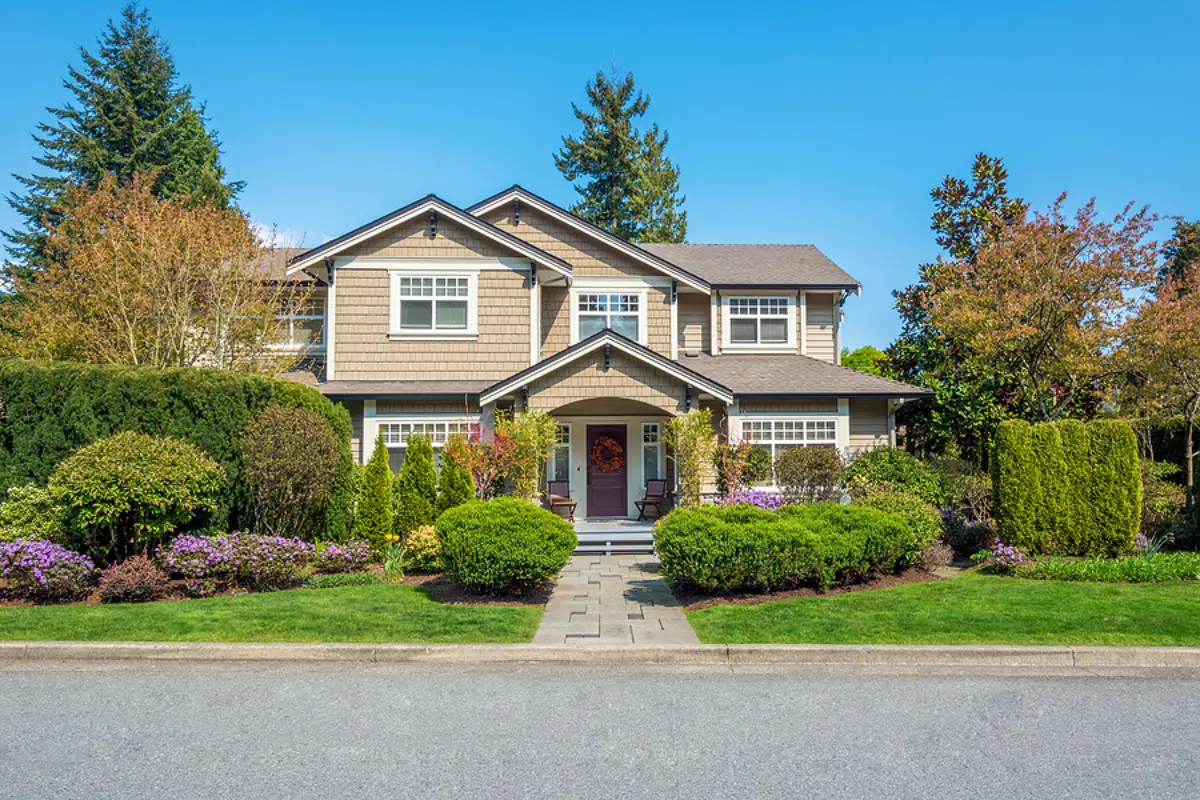
Outdoor space carries real weight in Lynchburg’s rental market. Single-family homes offer yards, patios, and private entrances that feel like part of everyday living, not an afterthought.
For residents, that space supports routines like gardening, outdoor gatherings, or simply having room to breathe. For owners, it often translates into stronger tenant satisfaction and better care of the property.
This lifestyle fit matters because tenants who feel settled are more likely to renew leases and less likely to move for marginal upgrades elsewhere.
Floor Plans That Adapt Over Time
Households change, and housing that adapts tends to perform better. Single-family homes typically offer layouts that flex with shifting needs.
Spare bedrooms become offices. Bonus rooms turn into hobby spaces. Dining areas evolve into study zones. Apartments often lack this adaptability, which can push residents to move sooner when circumstances change.
When tenants can stay in place through different life stages, turnover pressure eases and vacancy disruptions become less frequent.
Pricing Control Without Internal Pressure
Pricing strategy looks very different between property types. Multifamily buildings often create internal competition, with similar units influencing each other’s rent and availability.
Single-family homes compete at the neighborhood level instead. Owners can price based on location, condition, upgrades, and outdoor features without being tied to identical units next door.
Market data reinforces this advantage. National housing figures show the median existing single-family home price reached $426,800 in the third quarter of 2025, reflecting continued demand for detached living. Rental trends mirror this, with single-family rents running 20% higher than multifamily rents nationwide.
Maintenance Planning Feels More Predictable
Every rental requires upkeep, but shared systems add layers of complexity. Multifamily properties often involve repairs that affect multiple households and require careful coordination.
Single-family homes isolate issues to one residence. Diagnosing problems is simpler, scheduling is more flexible, and budgeting tends to be clearer.
Shared infrastructure in multifamily properties can increase complexity in several ways:
- Plumbing repairs may require access to multiple units.
- Electrical issues can trigger several complaints at once.
- Exterior systems often involve broader liability and timing challenges.
Owners who track expenses carefully often find detached homes easier to forecast and manage.
Insurance and Risk Stay Easier to Define
Risk management plays a key role in long-term performance. Single-family rentals generally involve fewer shared-liability scenarios, which can simplify coverage planning.
With fewer common areas and access points, responsibility lines are clearer. While every property needs tailored coverage, detached homes often reduce ambiguity around exposure.
Staying informed about requirements and documentation is essential, and resources on landlord tax preparation help owners keep financial records aligned with annual obligations.
Growth That Follows Your Pace
Not every investor wants rapid expansion. Many prefer controlled growth that allows systems to mature before adding more doors.
Single-family rentals support this approach well. Owners can acquire homes gradually, evaluate performance, and refine processes without overextending. Financing is often more accessible, and diversification across Lynchburg neighborhoods becomes easier.
For those planning beyond the first acquisition, guidance on next ownership steps can help align early decisions with long-term goals.
Administrative Simplicity Adds Up
Beyond maintenance and pricing, administrative workload affects sustainability. Single-family rentals typically involve simpler accounting and clearer expense tracking.
Annual reporting, documentation, and compliance are often easier to manage when properties operate independently. This simplicity saves time and reduces the chance of overlooked details.
Using Data to Guide Decisions
Clear data helps replace guesswork with confidence. When evaluating opportunities, investors benefit from testing assumptions before committing.
Tools like a rental ROI calculator and a free rental analysis provide insight into expected performance, helping owners compare scenarios realistically.
Strong evaluations consider demand, operating costs, pricing flexibility, and long-term appreciation. Properties that perform well across these areas tend to support steadier growth.
FAQs about Single-Family Rental Investing in Lynchburg, VA
What makes single-family rentals attractive to Lynchburg renters?
Many residents prefer detached homes because they offer privacy, outdoor space, and layouts that feel more permanent, which appeals to households planning longer stays rather than short-term moves.
How does tenant turnover compare between single-family and multifamily rentals?
Single-family rentals often see lower turnover when priced accurately, as tenants value space and flexibility, reducing the frequency of moves driven by lifestyle changes.
Do single-family homes require more hands-on management?
While every property needs attention, isolated systems and fewer shared areas often make issues easier to resolve, which can reduce overall management intensity.
How should owners evaluate rent adjustments for single-family properties?
Rent decisions should factor in neighborhood demand, property condition, recent upgrades, and comparable homes, allowing for individualized pricing without internal competition.
What should investors review before expanding a Lynchburg portfolio?
Owners should confirm operating systems, maintenance trends, and financial tracking processes to ensure new properties integrate smoothly into existing workflows.
Turn Stability Into a Long-Term Advantage
Residential investing works best when properties support consistency rather than constant reaction. In Lynchburg, single-family rentals often deliver that balance through clearer pricing control, adaptable living spaces, and simpler operations.
At PMI Lynchburg, we help residential owners build portfolios designed for durability and clarity. Strengthen your ownership strategy today by connecting with PMI Lynchburg through our owner services page and take the next step toward steadier performance.
